The Vineyard

The future will tell. Back in 1971 while my parents were buying new vineyards.

They could not even dream that the land and area would be one of the best, according to today’s standards for growing the white wines.

Vineyards are facing east. The moisture accumulated over the night, turns up like a morning due. The sun early in the morning evaporates the drops. Meaning less fungal infection and less spraying treatment. Research shows that sandy- clay soil is one of the best for cultivating white grape varieties. Sand allows soil to breath on the other hand clay accumulates the moisture and minerals.

The roots grow up to 2 m deep, searching for water and minerals. Light soil reflects the soft and light taste of my wines.

The vineyards are located on a lonely hill, approximately 15 km long. On the edge of the PANNONIAN flat land. About 65 km west from the European second biggest lake BALATON. Having a unique microclimate from the lake. The area is among the hottest in Slovenia. Surely the driest, since the river Mura is somehow the natural barrier for the clouds in the summer. Dry and hot climate make the grapes sweeter with plenty of aromas.

THE WINE MAKING
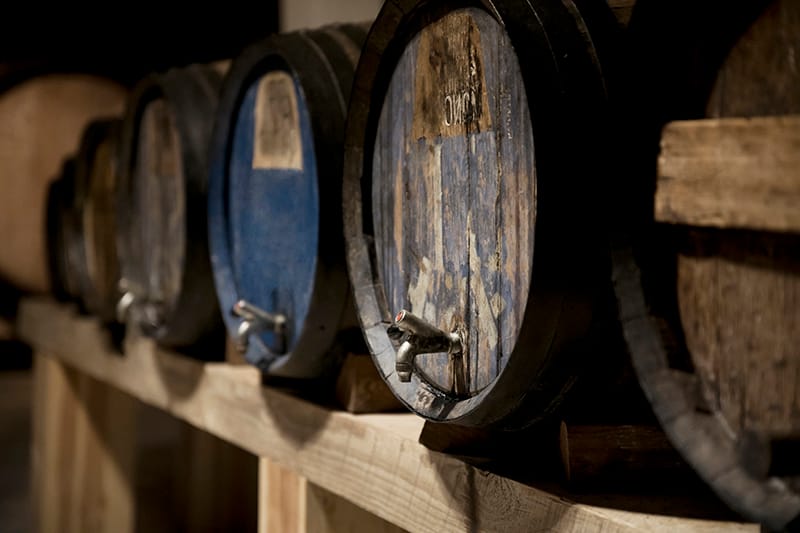
These days, I combine modern science with winemaking. Like a digital refractometer, measuring the sugar level in the grapes before harvest as well as laboratory analysis of tartaric acid to determine the right time for harvest. For the fermentation of the grape juice, I use a special yeast for each grape variety. To develop the unique and typical grape flavor. According to HACCAP standards, I replaced the wooden barrels with stainless steel ones. Where temperature-controlled fermentation can be provided. The longer the grape juice ferments (2 to 3 weeks), the fuller and more flavorful the wine will be. After the fermentation, the CO2 in the tanks (CO2 is the by-product of the fermentation)prevents the young wine from oxidation. Young wine is like a baby. It needs daily care. Measuring, checking, and tasting are daily routines. Here, I start using traditional techniques. Like leaving the wine rest for 1–2 months on the lees. Using that technique makes wine richer and fuller.

WHY ORGANIC

Organic farming means balancing soil, plants, animals, and humans. It is sustainable farming. It is carrying the resources. It provides high-quality and safe products. It is strictly prohibited to use herbicides, synthetic insecticides, and fungicides. No synthetic fertilizers NO genetically modified organism. We are using natural compounds for fungus and pest control. Mechanical grass cutting. We are controlled annually by certified organizations. Organic food contains more vitamins, minerals, and antioxidants. I’m using special, effective microorganisms. Developed by the Japanese scientist Prof. Teruo Higa. Meaning that the soil gets richer and provides more nutrients for the plants. That means that the grape plants get a lot of nutrients and minerals. That’s why my wines have such a high content of minerals, flavors, and fruit.

WHY DRY

Dry wines go very well with the food pairing. Dry wines have a very low sugar content. In my wines, it is from 0,7 up to 2,5 g/L. Dry wines are very good for a low-calorie diet. Dry wines are excellent companions for people with diabetes.